 Tulum City Guide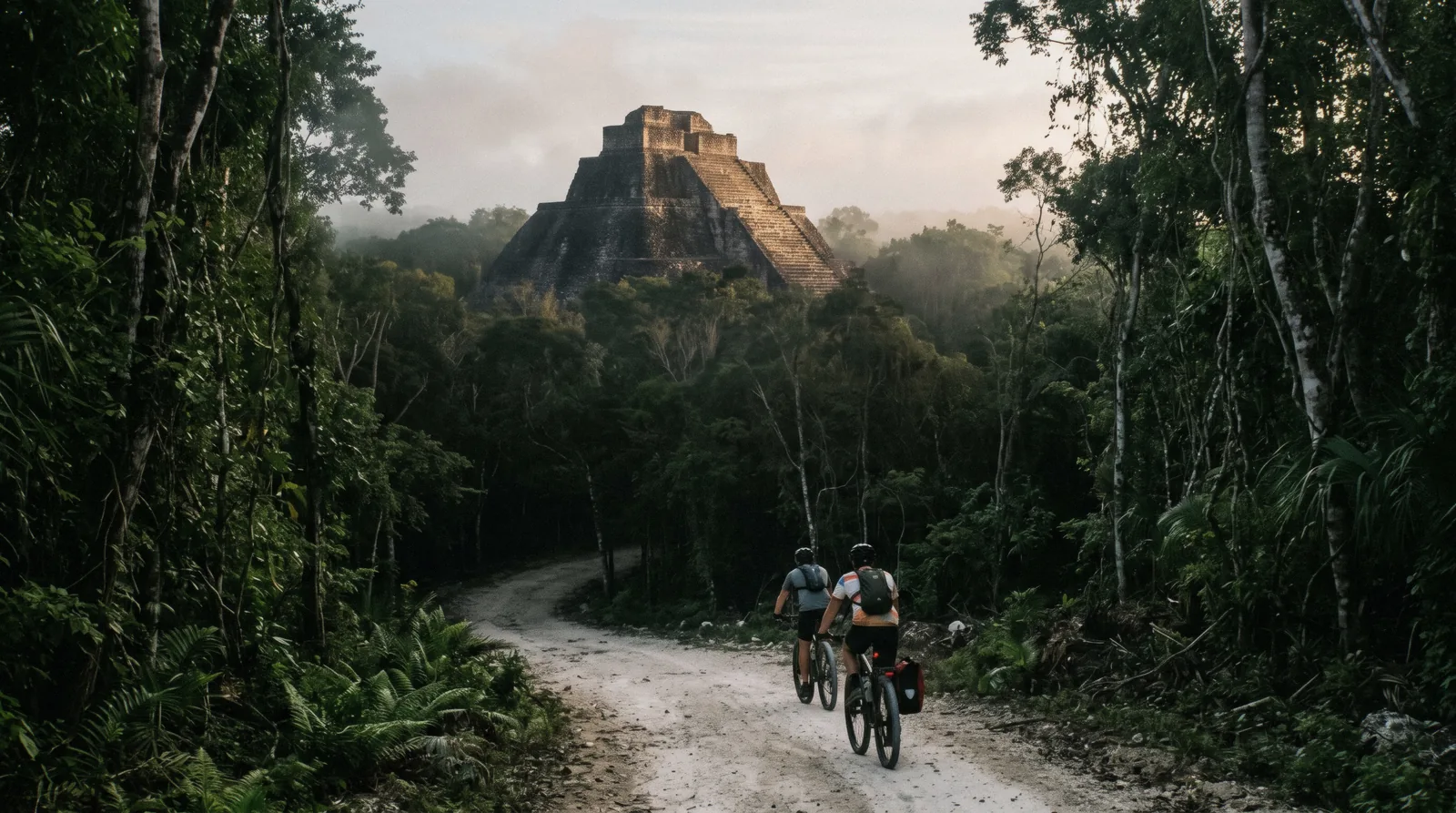
Cobá Ruins
The Cobá ruins are the inland Maya city that the Tulum ruins served as a port, 45 minutes west of Tulum in high forest. It is a different kind of visit from the coast: shade instead of glare, causeways instead of a wall, and a site big enough that people cross it on a bicycle. INAH publishes the fee as MX$210 for a foreign adult and MX$105 for nationals and residents, with last access at 16:00. How the day fits around the coast is covered in what to do in Tulum.
Quick answer Fee, hours, how big it is, and the pyramid question
Cobá opens daily 08:00–17:00 with last access at 16:00, and costs MX$210 for a foreign adult. The site is spread over several kilometres of forest, so most visitors hire a bicycle or a pedalled tricycle at the entrance. It is the shadiest of the archaeological sites near Tulum, which matters more here than anywhere else on the coast.
Key takeaways
- INAH's own page still publishes access to the Nohoch Mul pyramid between 08:00 and 15:30, in groups of fifteen and up to fifteen minutes at the top — what that means in practice is worth reading before you count on it
- Cobá sits at the centre of the largest network of Maya causeways known, and the longest sacbe runs over 100 kilometres west to Yaxuná
- Getting here without a car: the shared day that pairs Cobá with the Tulum ruins and a cenote is listed from $45, which is less than a taxi one way
- Bring more water than you think and start early — the forest is shade, but it is also humid, and the cenotes on the way back are the reward
Key facts
Opening hours
| Monday to Sunday, all year | 08:00–17:00 |
|---|---|
| Last access | —–16:00 |
| Nohoch Mul pyramid access | 08:00–15:30 |
Closed None published by INAH for this zone
Admission
- Adult
- MX$210 for a foreign adult (about $12)
- Reduced
- MX$105 for Mexican nationals and foreign residents of Mexico with ID (about $6)
- Free
- Sundays for Mexican nationals and foreign residents, under INAH's national rule
Planning it
- Time needed
- Not stated by INAH; our routing: three hours to cover the main groups without hurrying
- Book ahead
- Optional — walk-up usually fine
- Address
- Carretera Cobá–Chanchén Primero km 2, Cobá, Tulum Municipality, Quintana Roo
INAH sells at the gate and nothing online, so the official row here is a walk-up payment. Every other row is a way of solving the 45-kilometre road problem, priced by GetYourGuide. Peso figures are INAH's; dollar approximations use US$1 = MX$16.95.
The gate here is cheap and the road is not — the question is whether you are solving 45 kilometres of it or only the entry.
| Option | Price | Includes | Cancel | Book |
|---|---|---|---|---|
| Official gate, foreign adultAnyone arriving by rental car — this is the entire cost of the visit | MX$210 | Entry to the archaeological zone | Paid on the day | Official site |
| Official gate, Mexican national or residentMexican nationals and foreign residents with ID; free on Sundays | MX$105; free on Sundays | The same access, with ID | Paid on the day | Official site |
| Cobá plus the Tulum ruins plus a cenote, one dayThe best value way to reach Cobá without a car, with a second archaeological zone inside the price | From $45 | Transport, guide, both sites, cenote swim, buffet | Free up to 24 hours before | Check Availability |
| Guided walk at Cobá with a pedalled tricycleOnly once you are already at Cobá — the transport there is not included | From $120.34 | Guide, tricycle, entry on the standard option | Free up to 24 hours before | Check Availability |
Read the tricycle listing carefully: entry is included except on its economy option, and the tour does not include transport to Cobá itself. Both official rows are plain INAH links and earn us nothing.
Getting to Cobá from Tulum, compared
The road is the problem, not the ticket. These are the options that solve it, as listed.
 from $45
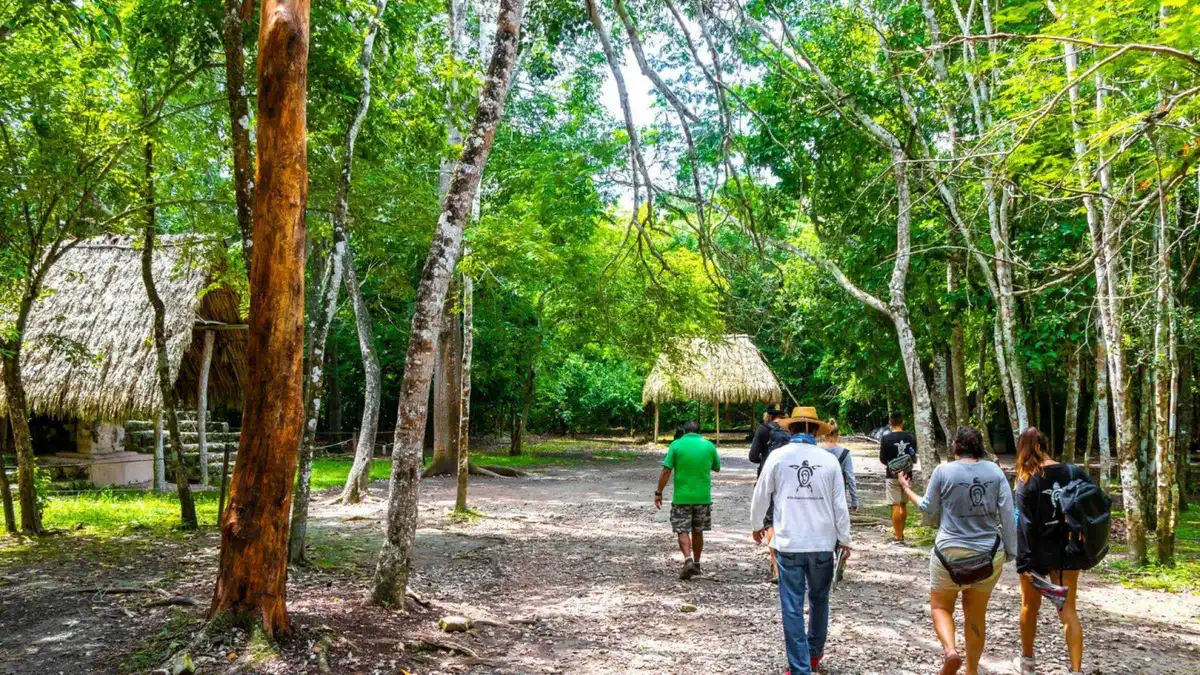
Riviera Maya: Tulum, Coba & Cenote Tour: Transport & buffet
Two archaeological zones and a cenote swim in one day with hotel pickup and a buffet — the cheapest full day on this page.
Check Availability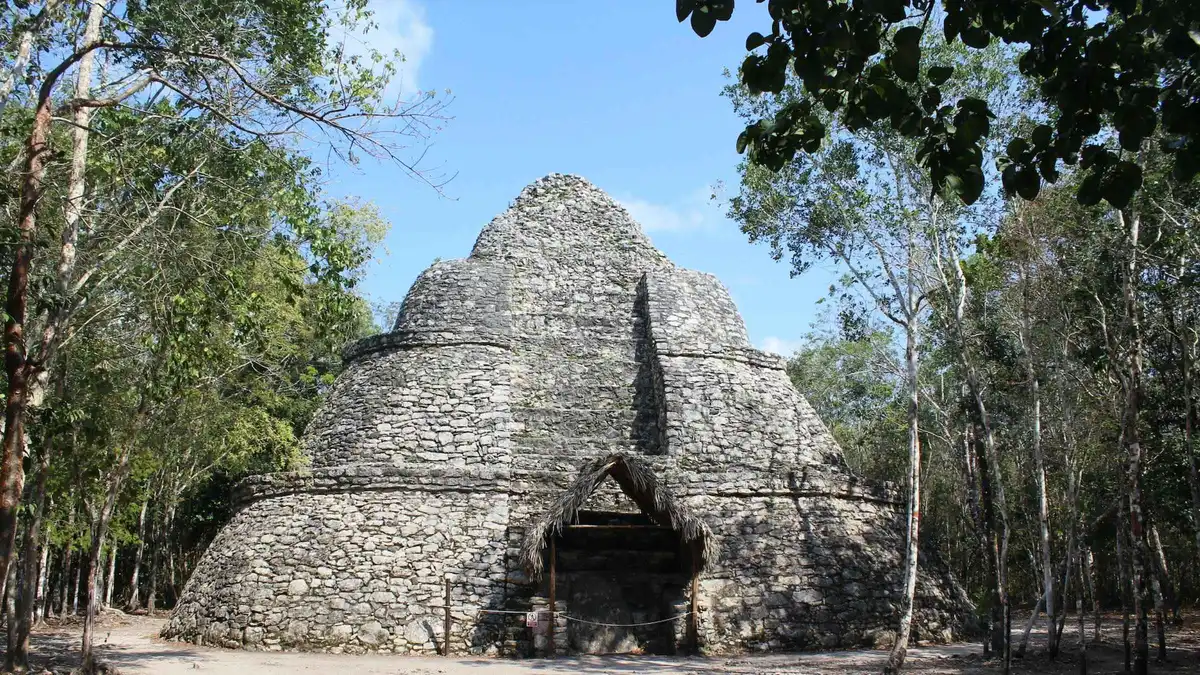 from $120.34
Coba: Ruins Guided Walking Tour with Tricycle
Ninety minutes at Cobá with a guide and the pedalled tricycle that covers the forest track to Nohoch Mul. Entry included except on the economy option.
Check Availability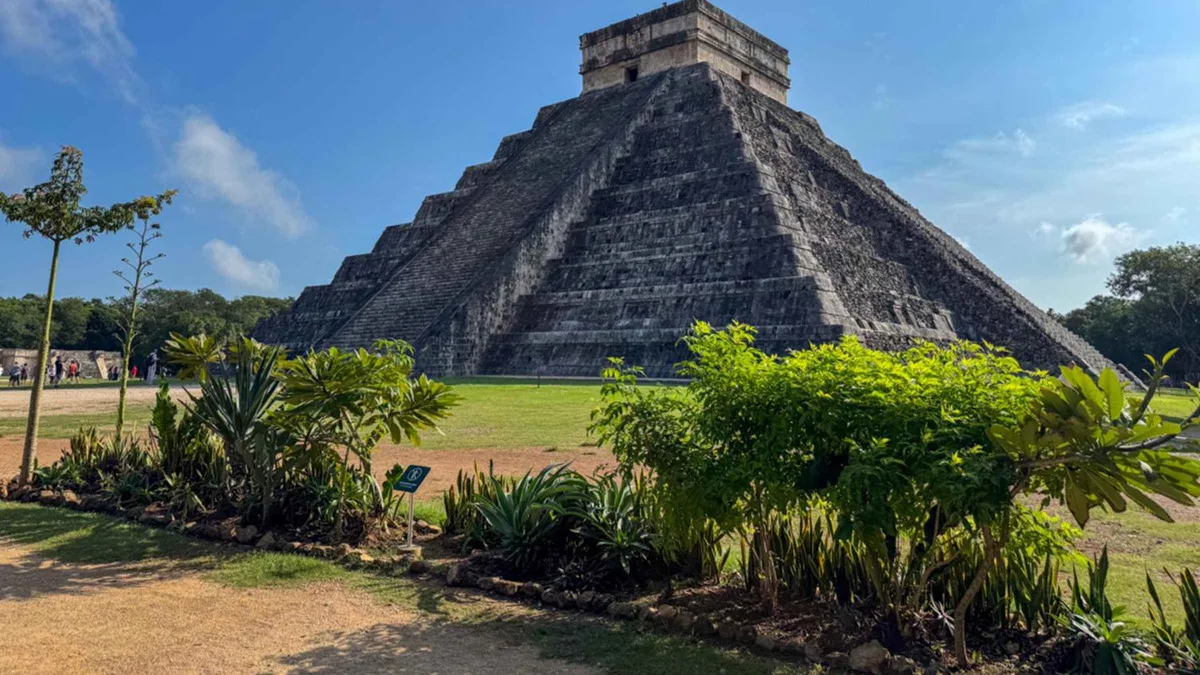 from $90
From Tulum: Chichen Itza, Cenote & Valladolid Tour
The long day inland — Chichén Itzá, a cenote swim and an hour in Valladolid, with buffet lunch and pickup. Twelve hours door to door.
Check Availability from $26.09
Riviera Maya: Tulum Ruins, Mariposa & Chen-Ha Half-Day Tour
The cheapest way to pair the ruins with two cenote swims — hotel pickup, a guided walk, then Mariposa and Chen-Ha. Biggest review count here.
Check AvailabilityPrices, ratings and details are the platform's own. Dollar figures are the listed prices. The platform bills in your account's currency.
What Cobá is, and why it is spread so wide
Where Tulum is a small walled port, Cobá was a capital: an estimated 50,000 people at its peak in the Late Classic, between roughly 600 and 900 AD, set around two lakes in the forest.
The thing that makes Cobá unusual is the road network. Elevated stone and plaster causeways — sacbeob, white roads — radiate from the centre to satellite settlements near and far, and the longest of them runs over 100 kilometres west to Yaxuná, near Chichén Itzá. That is the largest network of stone causeways known in the Maya world, and it is why the site sprawls: you are walking inside a road hub, not a walled city.
The other signature is the stelae. Cobá has many carved and engraved stone slabs recording ceremonial life and dynastic events, several of them still standing where they were raised, most under thatched shelters. They are the reason archaeologists can date the city's politics rather than only its architecture.
The lakes
Cobá sits between two lagoons, Lake Cobá and Lake Macanxoc, which is what made a city possible this far inland in a landscape with no rivers. The modern village of the same name — about 1,300 people at the last census — sits on the shore of one of them, which is where the food, the bicycles and the small hotels are.
Nohoch Mul, and what INAH publishes about climbing it
This is the question everybody asks about Cobá, and it deserves a careful answer rather than a confident one.
Nohoch Mul is a group of large temple pyramids; the tallest of them, Ixmoja, stands about 42 metres, second on the Yucatán peninsula only to Calakmul at 45 metres. It is the building people come to climb.
INAH's own page for the zone publishes access to the pyramid: hours of 08:00 to 15:30, a maximum group size of fifteen people, and up to fifteen minutes at the top. Independent accounts have described the pyramid as closed since 2020, and those two things cannot both be current. What this site does is print what the agency publishes, with the date, and tell you to treat the climb as a maybe rather than a plan: ask at the gate when you pay, and build the visit around the causeways and the stelae so the answer does not spoil the morning.
If it is open
It is a steep climb on uneven stone with a rope down the middle, and it is a good deal harder in the humidity than it looks from below. The reward is the only view in this part of Quintana Roo: unbroken forest canopy in every direction, with no coast in it. Fifteen minutes at the top is the published limit, and it is enough.
Crossing the site: walk, bicycle or tricycle
From the entrance to the Nohoch Mul group is about two kilometres on a flat forest track, and there are several other groups beyond it.
Walking the whole site is perfectly possible and takes most of three hours; it is also the version that gets you the birds, the coatis and the quiet. Bicycles are hired at the entrance and are the popular choice. Pedalled tricycles with a driver — the triciclos — are the third option, and the one that works for anybody who does not want to cycle in the heat: the guided walk with a tricycle is that version with commentary.
The tracks are hard-packed and shaded almost the whole way, which is the single biggest practical difference between Cobá and the Tulum ruins, where there is no shade at all. Rain is another matter: the tracks turn to mud fast, and the site stays open in it.
| How | Time for the main groups | Suits |
|---|---|---|
| On foot | About 3 hours | Birdwatchers, anyone unhurried |
| Bicycle | About 2 hours | Most visitors; hired at the entrance |
| Pedalled tricycle with a driver | About 1.5 hours | Heat, mobility, small children |
The stelae, and what a Maya city wrote down
Cobá is one of the few sites on this coast where the written record survives in quantity, and it changes what you are looking at.
Scattered through the site, most of them under thatched shelters, are carved stone slabs recording dates, rulers and ceremonies of the Late Classic — the period between roughly 600 and 900 AD when the city held perhaps 50,000 people. Several are badly weathered; a few are legible enough that you can pick out the bar-and-dot numerals of a Long Count date without knowing anything about Maya writing.
What they record is politics: accessions, alliances, the ritual calendar. That is the difference between Cobá and the coastal port at Tulum, which has murals and a diving god but almost no inscriptions. One city wrote its dynasty into stone; the other was a trading station that kept its accounts in something perishable.
Reading the site from the road network
The causeways are the other document. A sacbe is a raised limestone road, plastered white, running dead straight for kilometres, and Cobá is the hub of the largest network of them known. The longest runs over 100 kilometres west to Yaxuná, near Chichén Itzá, which is a statement about influence rather than transport: nobody needed a paved road to walk that distance, but a city that could build one was telling its neighbours something.
Cobá village, the lakes and what to do with the rest of the day
The modern village at the gate has about 1,300 people, a lake, and enough restaurants to make a lunch stop worthwhile.
Lake Cobá sits beside the road with crocodiles in it — actual ones, signposted — and a boardwalk to look from. The village restaurants are simple, priced for Mexico rather than for the beach road, and this is one of the few day trips near Tulum where lunch is not an afterthought.
If you are driving, the sensible loop is Cobá in the morning, lunch in the village, and a cenote on the way back: the Cobá-road cenotes line the route to Tulum, and the last of them is ten minutes from town. If you are on a tour, that shape is usually built in — the shared day does exactly this with a buffet in the middle.
Getting there, and when to go
Cobá is 45 minutes west of Tulum on a straight, well-surfaced road, and about 47 kilometres from the coast.
There is no colectivo service that makes an easy day of it from Tulum, so this is the one trip near town where a tour or a car earns its keep — the shared day with the Tulum ruins and a cenote is listed from $45, which is less than a taxi in one direction. A rental car works well and the parking is at the village end.
Go early. The gate opens at 08:00, last access is 16:00, and the shade means the site stays bearable longer than the coast, but the day tours converge on the Nohoch Mul group between eleven and two. If you have a choice of days, avoid Sunday: INAH admission is free that day for Mexican nationals and residents, and the site is busy from opening.
- Water — more than you think; the humidity does the damage, not the sun
- Insect repellent — this is forest, not coast
- Cash in pesos for the gate, the bicycle hire and the village
- Shoes with grip — the stone is slick when wet
- Time it with a cenote — the road back passes the Cobá-road cenotes
Cobá map: the site, the village and the road from Tulum
The archaeological zone, the lake it sits on, and the cenotes on the road back to the coast.
Next stop from Cobá
Driving times are our own estimates on the Cobá road.
The Cobá-road cenotes
Zacil-Ha, Gran Cenote and Calavera line the road home, which is why a morning at Cobá and an afternoon swim is the standard pairing. None of the three publishes a price — see the cenote index.
30–40 min back toward TulumTulum ruins
The coastal port this city ran, at MX$265 for a foreign adult. Doing both in one day means starting at the Tulum ruins at 08:00 and reaching Cobá by mid-morning.
45 min eastMuyil
The other inland site near Tulum, at MX$145, on the edge of the Sian Ka'an lagoon. Muyil is smaller, quieter and pairs with a boat rather than a bicycle.
1 h southCobá ruins: what people ask before the drive
How much do the Cobá ruins cost?
MX$210 for a foreign adult, about $12, and MX$105 for Mexican nationals and foreign residents with ID, read on INAH's own page. Entry is free on Sundays for nationals and residents. Bicycle hire and tricycles inside the site are paid separately, in cash.
Can you climb the pyramid at Cobá?
INAH's page publishes access to Nohoch Mul between 08:00 and 15:30, in groups of fifteen with up to fifteen minutes at the top. Independent reports have called the climb closed since 2020. Ask at the gate and plan the visit as though the answer will be no; the section above explains why we print both.
Is Cobá better than the coastal ruins?
They are opposite visits. Tulum is small, spectacular in position and takes an hour; Cobá is large, shaded, archaeologically richer, and takes a morning. If you can only do one and you have a car or a tour, Cobá gives you more. If you are on foot in Tulum town, the coast wins on logistics.
How do you get to Cobá from Tulum without a car?
There is no convenient colectivo, so the practical options are a tour or a taxi. The shared day pairing Cobá with the Tulum ruins and a cenote is listed from $45, which is cheaper than a one-way taxi and includes the entrance and lunch.
How long do you need at Cobá?
INAH publishes no visiting time. Our routing is about three hours on foot for the main groups, two by bicycle and ninety minutes by tricycle. Last access is 16:00 and the site closes at 17:00, so an arrival after three in the afternoon is not worth the drive.
Is there shade at Cobá?
Yes, and it is the reason to prefer it in the hot months. The tracks between the groups run under forest canopy almost the whole way, unlike the Tulum ruins, where there is none. The trade-off is humidity and mosquitoes, so carry repellent.
Cobá on film, before the drive
Three walks through the site — the causeways, the scale and the pyramid — filmed by visitors in the last two years.
Coba Ruins Mexico
A walk through the main groups, with the scale of the site and the forest tracks visible.
Video: Photasma TravelMayan Ruins Mexico: 4K Walking Tour in Cobá
An unnarrated 4K walk, useful for judging shade, distance and the state of the paths.
Video: Walk HDClimbing Nohoch Mul Pyramid at Cobá Ruins
What the climb looks like from the bottom and the top, filmed on a visit.
Video: Adam CarsonVideos load from YouTube only when you press play.
Prices, hours and terms are set by the venue or operator and confirmed at checkout.
We may earn a commission if you book through one of our links, at no extra cost to you. Full affiliate disclosure